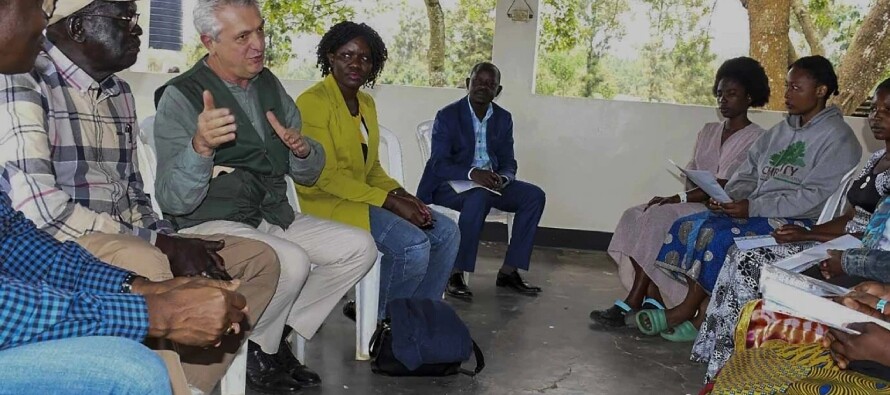
The United Nations High Commissioner for Refugees, Filippo Grandi, has recently highlighted the shortage of funds for refugee programs in Uganda. As funding declines over the years, the situation becomes increasingly challenging for refugees in the country. Ugandan officials and humanitarian workers point out that the dwindling international support, combined with the high number of refugees arriving monthly in the country, is putting a great strain on host communities.
One of the most significant challenges is the lack of resources to meet the basic demands of refugees. Agnes Bulaba, a Congolese refugee in Uganda since 2014, has expressed her difficulty in finding work, leaving her without the means to support her family. Although refugees in Uganda have access to medical care and education, the lack of adequate financial support endangers their food security and well-being.
According to figures from the UN refugee agency, Uganda hosts over 1.7 million refugees, the highest number in Africa. Despite the efforts of the Ugandan government and humanitarian organizations, complete food assistance only reaches newcomers, leaving a large majority of refugees vulnerable to food shortages and poverty.
Despite the challenges, training programs have been implemented to help refugees become more self-sufficient, such as carpentry, masonry, and metal welding courses. However, competition for limited resources sometimes generates tensions between refugees and local communities. As funding continues to decline, the UN World Food Program has focused on providing food assistance to the most vulnerable groups, either in food or cash.
In settlements like Rwamwanja, in southwestern Uganda, people like Bulaba struggle daily to survive. The lack of job opportunities and food shortages have led to desperate situations, where some resort to informal work, such as prostitution, to support their families. As the refugee crisis in Uganda continues, greater international support is urgently needed to ensure the safety and well-being of those who have fled violence in their home countries.